


November 12, 2025

6
min read
8 of the Best Store Locator Examples
With so many consumers starting the local purchasing journey online, the importance of providing a store locator has grown. Here are some top examples.
With so many consumers starting the local purchasing journey online, the importance of providing a store locator has grown. Here are some top examples.
The path to purchase has changed—but the desire to buy locally hasn’t. Studies show that 2 out of 3 consumers wish they could shop locally more, but they’re primarily hindered by cost and convenience. You may be able to capture customer interest online, and they may like your price point, but if they can’t find a convenient way to buy your product, you’re likely to lose that sale for good.
This makes a modern, intuitive store locator a critical bridge between digital discovery and in-store conversion. In this guide, we’ll outline the essential features of an effective store locator and highlight what leading consumer brands are doing to create seamless, on-brand shopping experiences that drive measurable results.
A store locator is a web-based tool that allows consumers to easily find where your products are sold, whether in brick-and-mortar retail locations or through online channels. When embedded on your website, it provides a branded, intuitive search interface that displays store locations, contact details, and directions based on the shopper’s preferred geography.
Modern store locators are fully customizable to align with your brand identity and website design, and can be integrated across your marketing ecosystem to drive traffic, strengthen brand visibility, and convert digital engagement into in-store sales.
Learn How to Add a Store Locator to Your Website →
Integrating a store locator into your website delivers measurable value for both your brand and your retail partners. Beyond simply helping shoppers find your products, a store locator enhances the overall customer experience and provides actionable insights that can inform your sales and marketing strategy.
Key benefits include:
Let’s look at several store locator examples to show how “where-to-buy” pages can be used to enhance the customer experience and increase sales.
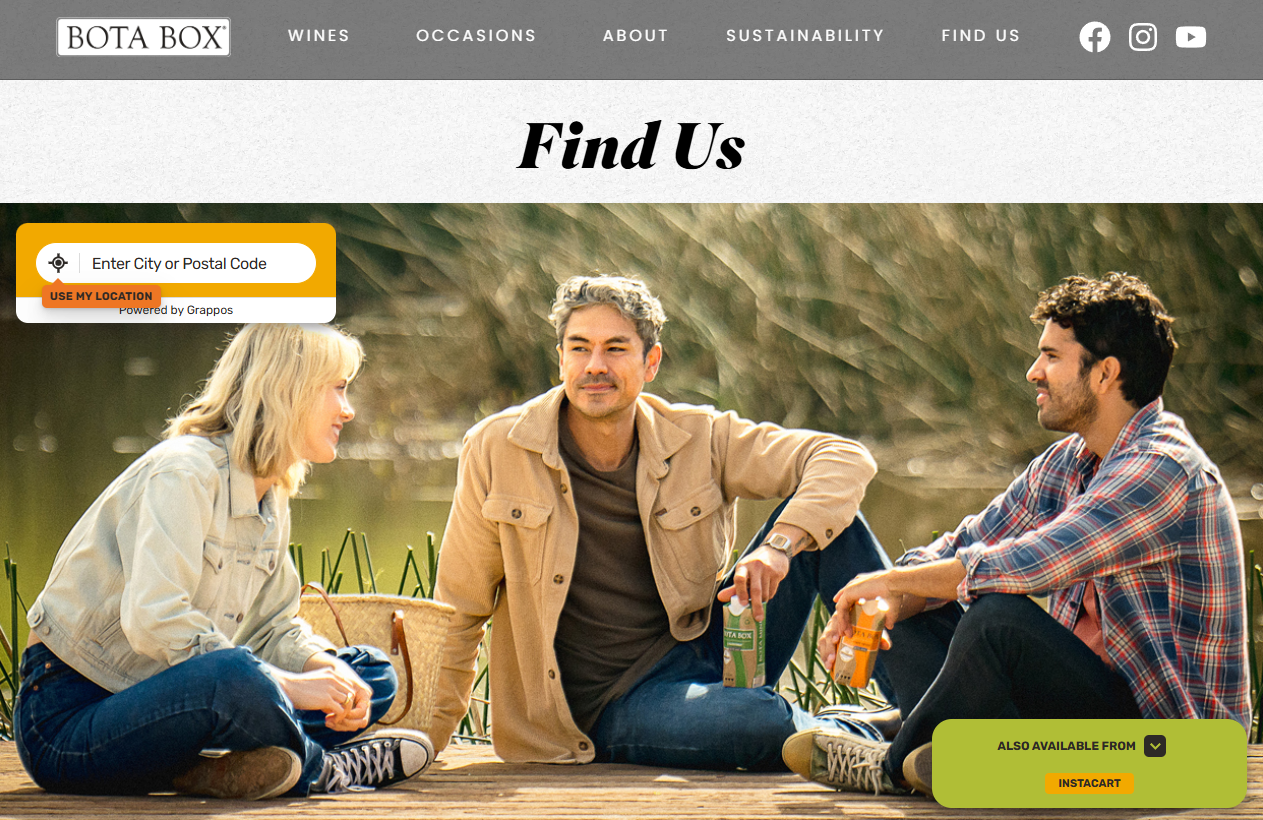
Bota Box has carried their vibrant brand colors over to their store locator, making it instantly recognizable and effective. This award-winning, environmentally friendly brand allows users to easily search by their location and see the full range of products available in their market, or they can search by a specific product or product line.
The Bota Box locator also makes it easy for customers to find products on InstaCart—a brilliant move that reduces friction and encourages conversions.
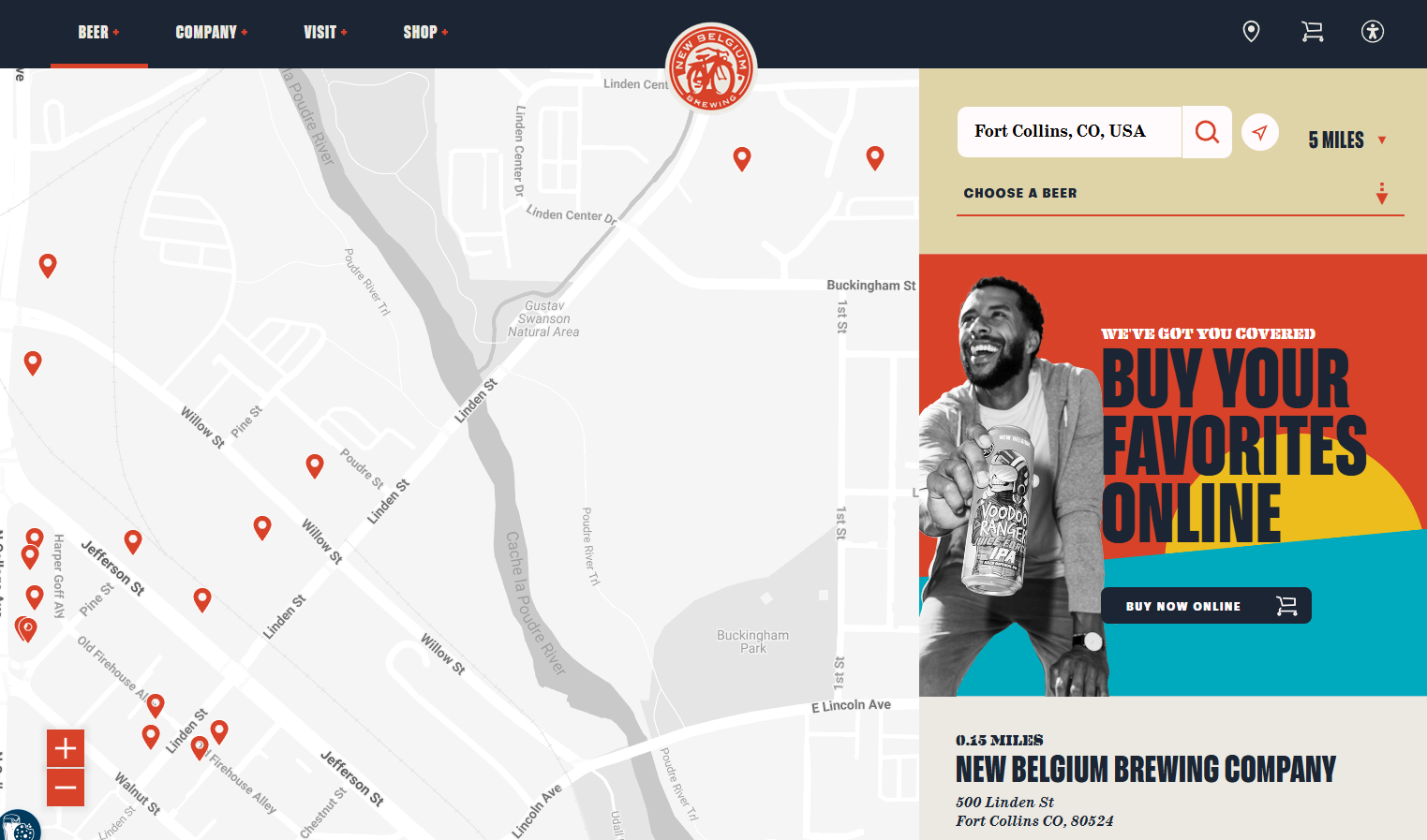
New Belgium’s store locator page has its customers covered when they’re looking for their favorite New Belgium product. Users just have to type in their city or zip code, choose a product from the drop-down menu, and they know instantly where they can buy a pack of Fat Tire Classic Ale or a limited, seasonal release. It’s also beautifully customized, fitting in seamlessly with their fun and lively branding.
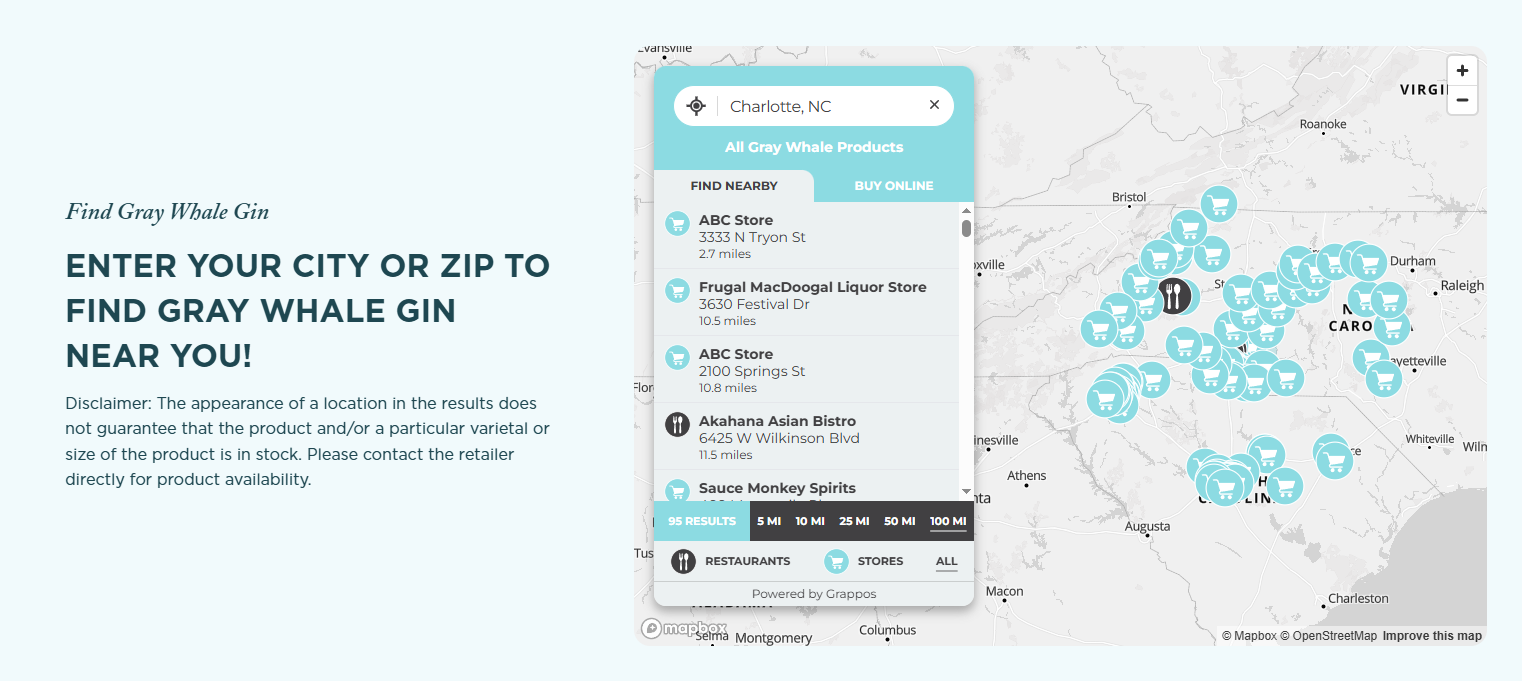
Gray Whale Gin’s store locator is another beautiful on-brand example. This is a great example of how Grappos seamlessly displays both in-store and restaurant product availability. Gray Whale Gin also utilizes the Grappos Buy Online Plus tool, linking them to the product listing on popular delivery platforms like DoorDash, Instacart, and Minibar Delivery. Complete customer convenience in one simple, beautiful locator.
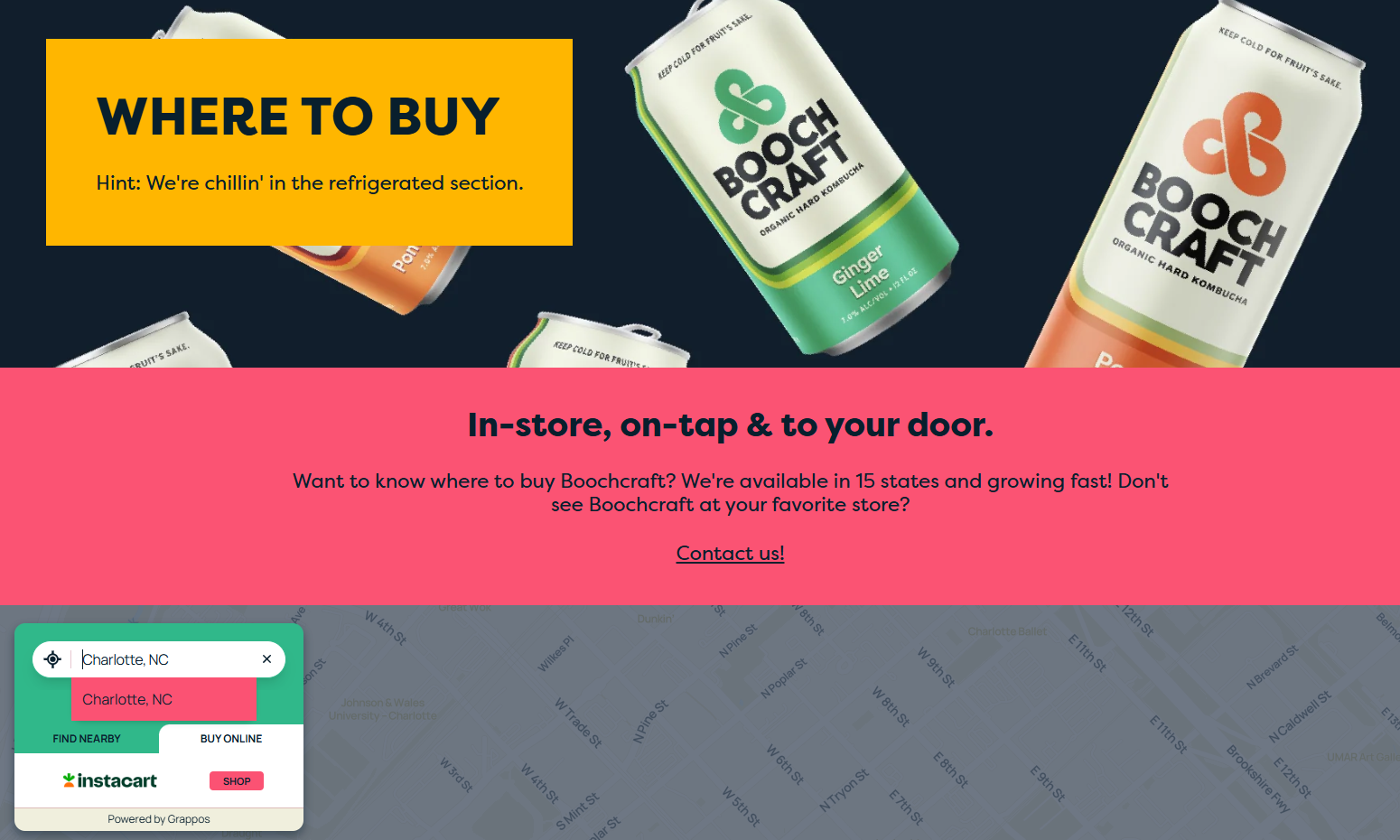
Boochcraft is a great example of how customizable the Grappos Store Locator is, rivaling many proprietary locator solutions. They’ve also taken the opportunity to link to their products below the locator widget in case customers want to quickly read up on their options.
Our favorite part of the Boochcraft locator page is how well-optimized it is, providing customers (and search engines) with informative and witty information.
Learn How to Optimize Your Store or Product Locator Page →
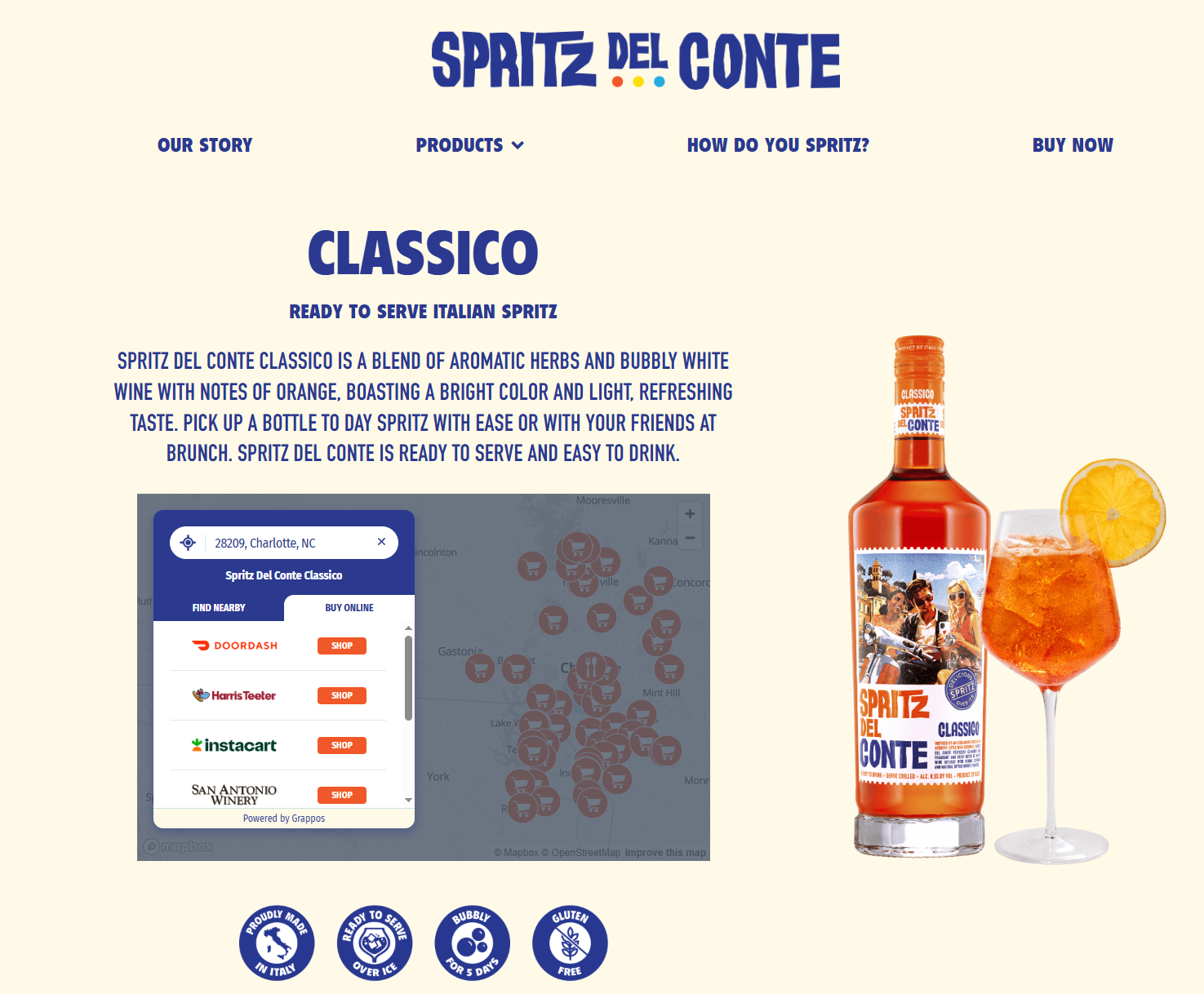
Spritz del Conte takes their store locator page to the next level, showcasing their incredible branding and also providing plenty of product information for their customers. This is another great example of good store locator page optimization—take notes from this vibrant brand!
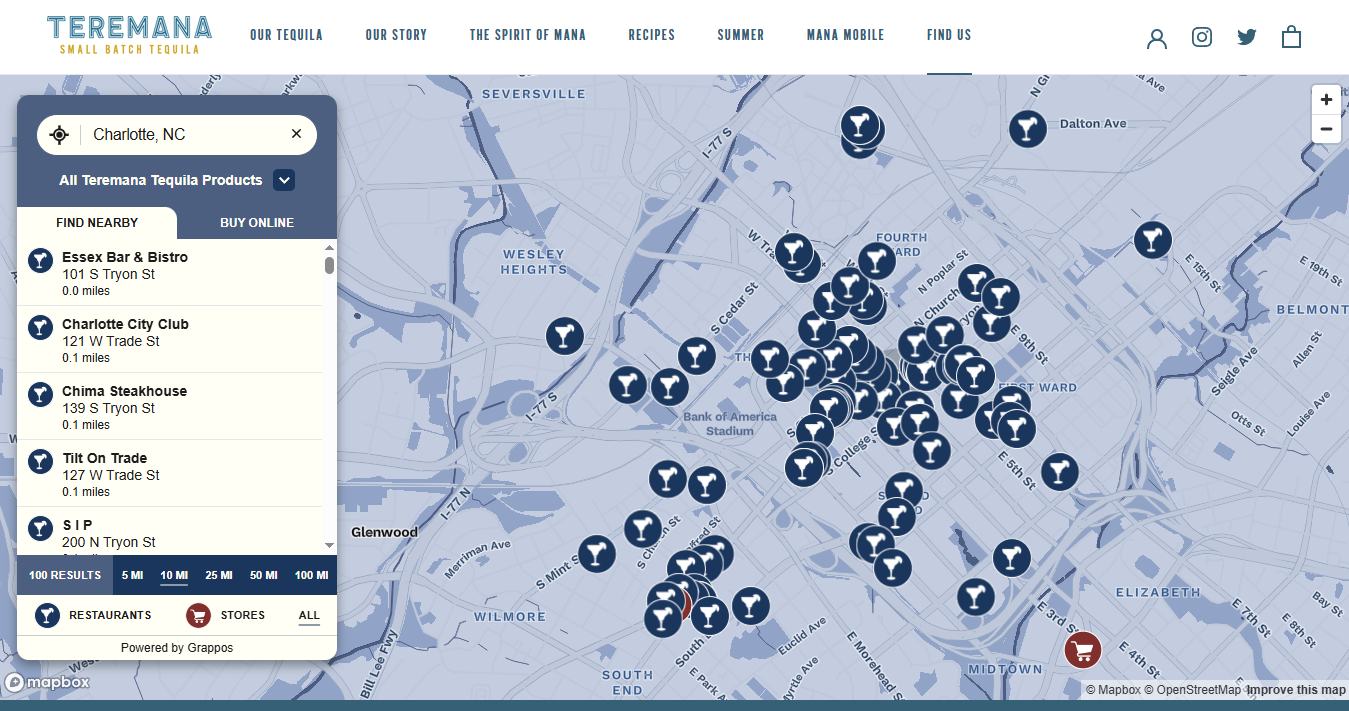
This small batch tequila showcases another beautifully customized store locator that uses both “find nearby” and “buy online” features for customer convenience.
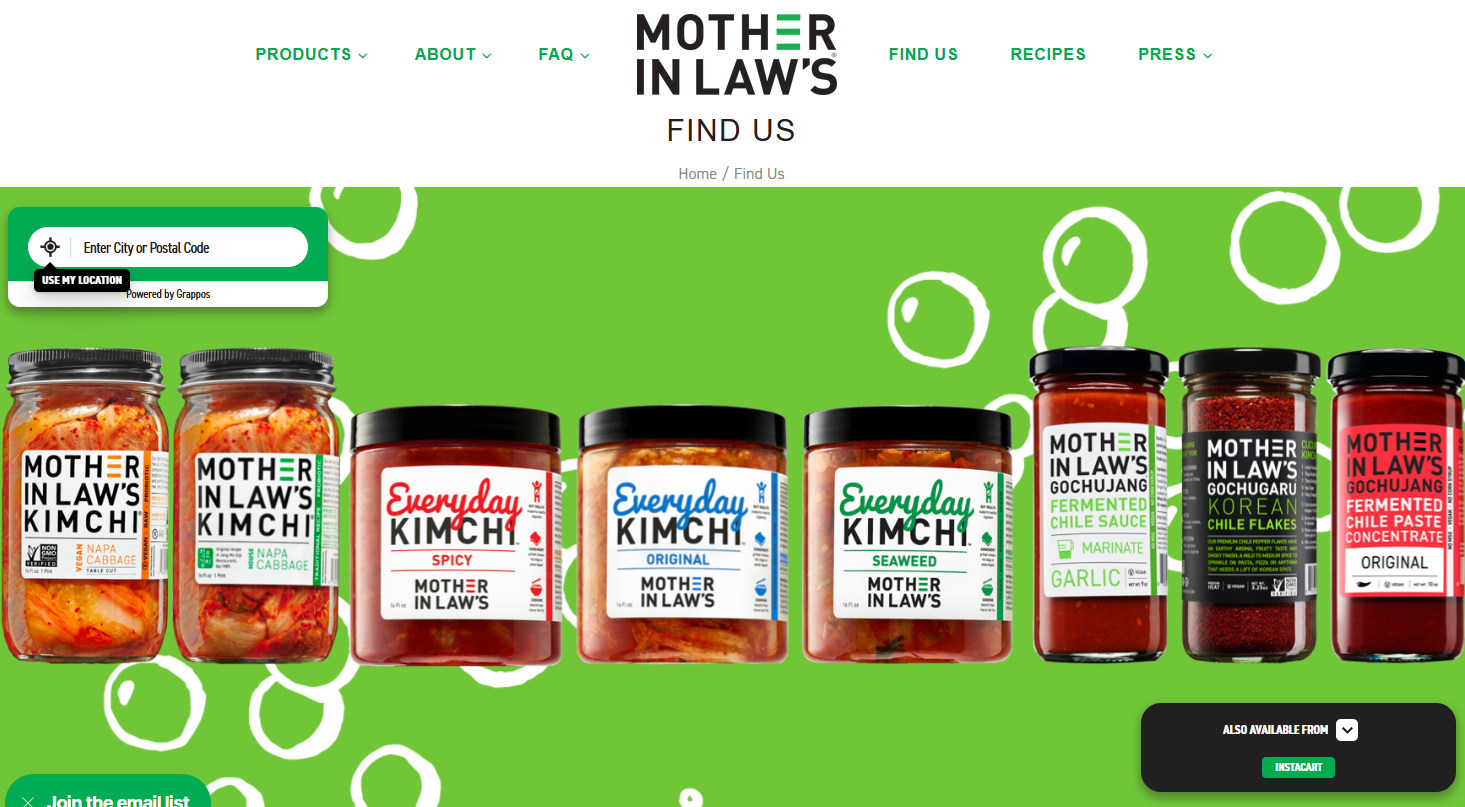
Store locators aren’t just for alcohol and spirits! Mother-in-Law’s Kimchi provides a locator to help customers find their delicious handcrafted products in stores near them.
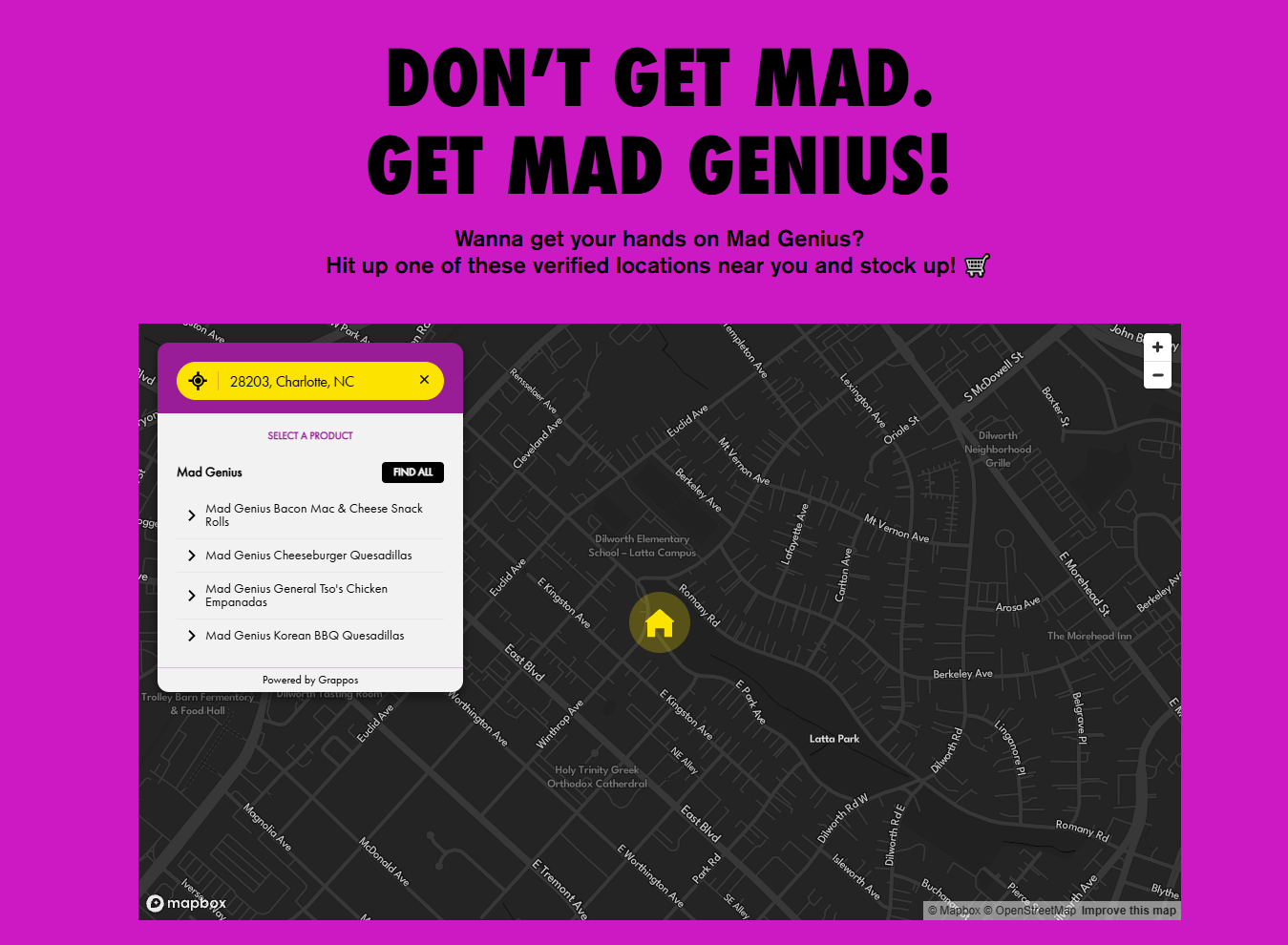
This fun snack brand needed a product locator that enabled them to show off their bright, energetic branding. Our locator not only delivers customization but also makes it easier for Mad Genius customers to find their unique products in grocery stores nearby, both in-store and online.


Not all store locators are created equal. For consumer brands, the right platform doesn’t just help shoppers find products—it supports your retail partners, improves conversion rates, and captures valuable demand insights. When evaluating store locator options, look for a solution built to meet the needs of modern CPG, beverage, and alcohol brands.
Here are some key features every good product locator should have.
Your store locator should make it effortless for shoppers to take the next step toward purchase. Look for a clean, intuitive design that minimizes clicks and delivers accurate results quickly. A streamlined UX translates directly to higher engagement and more completed purchases.
More than 70% of store locator searches happen on mobile devices. That means your locator must perform flawlessly on any screen size, offering the same robust functionality and speed as the desktop version. A mobile-optimized locator ensures your brand stays visible and shoppable at the exact moment of consumer intent.
Modern store locators go beyond listing retailers. The most effective platforms allow customers to search for specific SKUs or product variants (like flavors, pack sizes, or styles), helping them locate exactly what they want, where it’s available. This level of precision not only boosts conversion but also provides your sales team with real-world insights into regional and SKU-level demand.
Your store locator should look and feel like a seamless part of your digital ecosystem. From colors and typography to map styling and search filters, leading platforms make it easy to align the experience with your brand identity (ideally, no coding required).
Ease of implementation matters. Look for a provider that handles setup, retailer data updates, and ongoing maintenance so your team can stay focused on growth. With Grappos, for instance, configuration and data management are fully supported, ensuring your locator stays accurate, fast, and up to date without burdening your team.
A modern store locator does far more than point customers to nearby retailers—it connects digital intent with real-world sales. The right solution helps your brand capture demand, support retail partners, and deliver a frictionless path to purchase that enhances both revenue and reputation.
Grappos store locators are built for brands seeking more than a map. They’re intuitive, mobile-optimized, and backed by powerful analytics that reveal exactly where your customers are searching.
See how Grappos can help your brand turn shopper searches into measurable sales. Request a Grappos product locator demo today →
You might also like:


Fill out the form and Grappos will email you a customized locator for your brand. Your privacy is important to us. We will only use your email for the purpose of sending you the free custom demo.
